
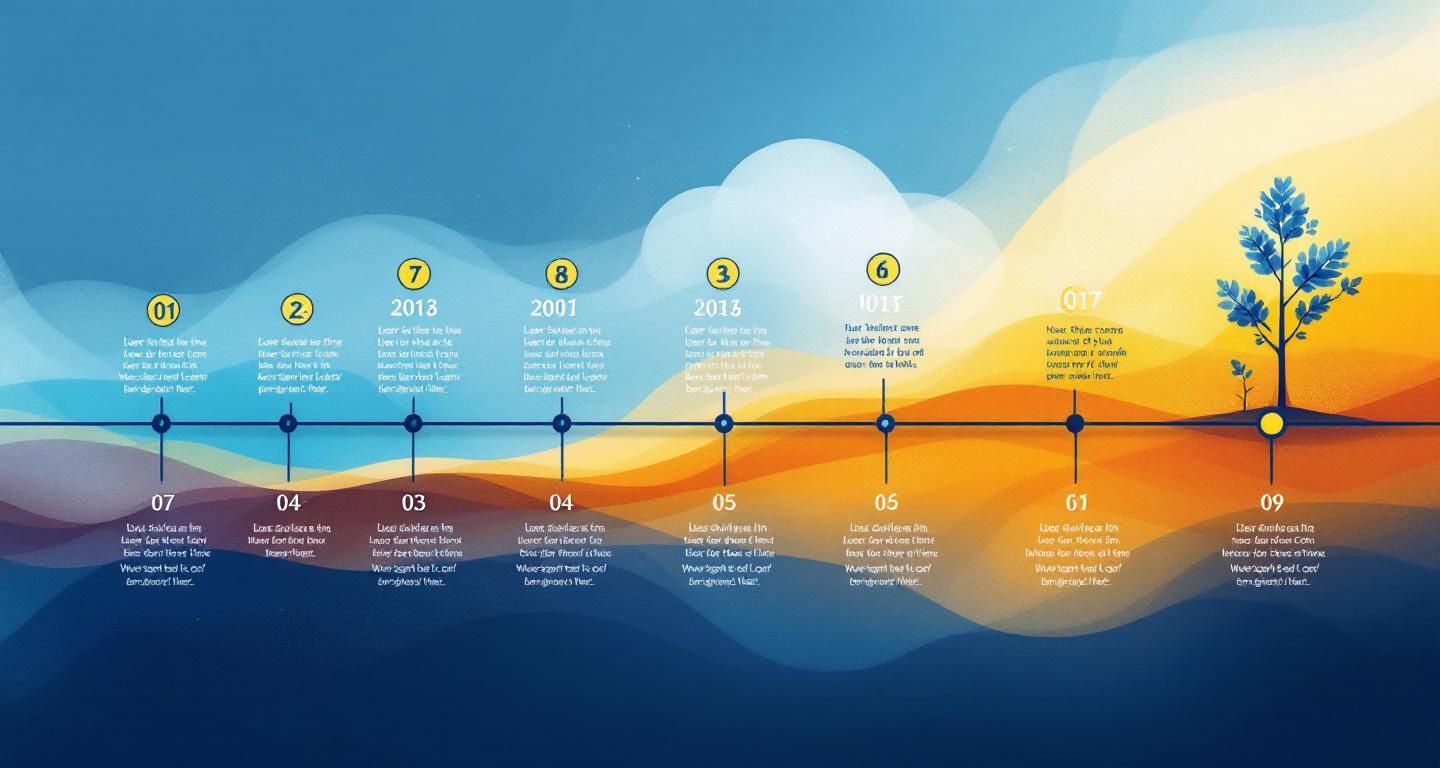
Recovery from addiction isn't a single event — it's a years-long process with predictable stages. According to the National Institute on Drug Abuse (NIDA), most people experience addiction as a chronic condition requiring ongoing management, similar to diabetes or hypertension. Understanding the 6 stages helps you anticipate challenges and reduces the surprise (and shame) when difficulties arise.
This timeline is based on the Transtheoretical Model of Change (Prochaska & DiClemente) combined with NIDA research on addiction recovery patterns. Individual timelines vary, but the sequence is consistent.
Stage 1: Pre-contemplation (Before Recognition)
The person doesn't yet recognize they have a problem. Substance use feels normal, manageable, or beneficial. This stage can last months to decades. Family and friends often see the problem clearly while the individual does not.
What This Stage Looks Like
- Defending substance use ("I can stop whenever I want")
- Minimizing consequences ("It's not that bad")
- Anger or defensiveness when others raise concerns
- Avoiding people who don't drink/use
How to Help Someone in Pre-contemplation
Confrontation rarely works. Instead, plant seeds of awareness through specific observations ("I noticed you missed work three times this month"). Avoid lectures. Be available without enabling. The CRAFT method (Community Reinforcement and Family Training) has the strongest research backing for helping unwilling individuals — it gets 67% of resistant patients into treatment within 6 months, more than double the rate of traditional intervention (Smith & Meyers, 2004).
Stage 2: Contemplation (Considering Change)
The person acknowledges a problem exists but feels ambivalent about changing. They oscillate between "I should stop" and "but it's not so bad." This stage can last weeks to years. The classic indicator: making lists of pros and cons of using.
\n \n
\nRecovery unfolds in stages. Early sobriety is fragile; long-term maintenance builds resilience over months and years.
\nCommon Internal Dialogue
"I know it's hurting my health, but it's how I cope with stress." "I'd quit if my situation were different." "Maybe just for a month, then I'll see." This internal debate is exhausting — most people in contemplation describe it as constant background mental noise.
How Long Does This Stage Last?
Studies show the average person spends 2-5 years in contemplation before taking action. Crises (DUI, job loss, health scare, relationship breakdown) often shorten this stage by forcing decision.
Stage 3: Preparation (Planning to Change)
The person commits to change and begins planning. This stage typically lasts 1-30 days. They research treatment options, talk to a doctor, attend an AA/NA meeting, or call a helpline.
What Happens in Preparation
- Calling treatment facilities or our directory
- Verifying insurance coverage
- Telling close family or friends
- Setting a quit date or admission date
- Removing substances from home
- Arranging time off work or childcare
Critical Window
The preparation stage is fragile. Approximately 30% of people in preparation relapse back to contemplation within 3 months without taking action (Prochaska, 1992). This is why treatment facilities try to admit within 24-48 hours of the first call — the window of motivation is narrow.
Stage 4: Action (Active Recovery — First 90 Days)
The person begins active treatment and abstinence. This is the most visible stage and usually involves formal treatment (detox, residential, outpatient) followed by intensive outpatient programs and/or 12-step meetings.
What to Expect Week by Week
| Phase | Duration | Focus |
|---|---|---|
| Acute withdrawal | Days 1-7 | Medical detox, physical stabilization, sleep restoration |
| Early abstinence | Weeks 2-4 | Treatment program engagement, skill-building, identifying triggers |
| Establishing routine | Weeks 5-12 | Outpatient transition, return to work/school, building support network |
Post-Acute Withdrawal Syndrome (PAWS)
Beyond the acute physical withdrawal of the first week, many people experience PAWS — psychological symptoms lasting 6-24 months: mood swings, anxiety, sleep disturbance, difficulty concentrating, low energy. These symptoms are caused by the brain rebalancing neurotransmitter systems disrupted by chronic substance use. PAWS is normal — not a sign of relapse or treatment failure.
Why 90 Days Matters
NIDA's evidence-based principle of treatment states that programs lasting 90 days or longer produce 2-3x better outcomes than shorter programs. The first 90 days establish new neural patterns, identify high-risk situations, and build foundational coping skills.
Stage 5: Maintenance (Months 6-24)
The person sustains recovery while building a substance-free life. This stage typically lasts 1-2 years and involves continued therapy, support group attendance, and active relapse prevention.
\n \n
\nJournaling and reflection are evidence-based tools used in every stage of recovery — from early contemplation through long-term maintenance.
\nKey Tasks in Maintenance
- Building sober relationships — old friendships often centered on substances need to be renegotiated or replaced
- Managing triggers — identifying people, places, emotions, and situations that increase risk and developing response plans
- Repairing relationships — addressing damage done during active addiction (often through family therapy)
- Career and financial recovery — many people return to work, address debt, rebuild credit
- Continuing therapy — most people benefit from ongoing therapy at decreasing frequency (weekly → biweekly → monthly)
Relapse Risk in Maintenance
Relapse is most likely in the first year. NIDA data shows 40-60% of people relapse within the first year of recovery — comparable to relapse rates for other chronic conditions like diabetes (30-50%) and hypertension (50-70%). Relapse is not failure; it's a signal to adjust the treatment plan.
Stage 6: Long-Term Recovery (2+ Years)
Recovery becomes integrated into the person's identity and daily life. Substance use is no longer a constant battle but rather one of many things they don't do — like a vegetarian doesn't constantly fight the urge to eat meat.
What Long-Term Recovery Looks Like
- Attending fewer formal meetings (perhaps weekly or monthly instead of daily)
- Mentoring others new to recovery (sponsorship in 12-step programs)
- Engaging in life domains that addiction took away — career advancement, hobbies, deep relationships
- Lower (but still present) vigilance about triggers
Sustained Recovery Statistics
Per NIDA: people who maintain abstinence for 5+ years have only a 14% chance of future relapse. Those at 1 year have a 50% chance; at 3 years, 30%; at 5 years, 14%; after 5 years, the rate plateaus at the lower level. Time in recovery is one of the strongest predictors of continued recovery.
Frequently Asked Questions
Is recovery linear, or do people move backward through stages?
Recovery is not linear. Most people cycle through stages multiple times — moving from contemplation to preparation, back to contemplation, to action, possibly to relapse, then back to action. The Transtheoretical Model explicitly accounts for this. Each cycle through usually moves a person closer to sustained recovery.
How long until I "feel normal" again?
For most people, basic physical and emotional stability returns within 3-6 months. Full recovery of cognitive function (concentration, memory, executive function) typically takes 1-2 years for substances like alcohol and stimulants. Sleep usually normalizes within 3 months. Mood stability often takes longer due to PAWS.
What's the difference between sobriety and recovery?
Sobriety = abstinence from substances. Recovery = sobriety plus rebuilding life domains damaged by addiction (relationships, career, health, mental wellbeing). A person can be sober but not in recovery — sometimes called "white-knuckle sobriety" — and this state is fragile. Active recovery work is what makes sobriety sustainable.
Can I skip stages or go through them faster?
You cannot skip stages, but you can move through them faster with the right support. Crises (legal, medical, family) often compress contemplation into days. Quality treatment compresses action into a structured 90-day program. Strong aftercare and community involvement accelerate maintenance. The 6-stage framework is a sequence, not a fixed timeline.
What if I relapse — do I have to start over from Stage 1?
No. Relapse usually returns you to action stage, not all the way to pre-contemplation. You retain the awareness, skills, and support network built before the relapse. NIDA explicitly frames relapse as a signal to adjust treatment — usually intensifying it (e.g., outpatient → residential, or adding MAT) rather than starting over. Most people who achieve long-term recovery experienced one or more relapses.
How do I know which stage I'm in?
Quick test: Pre-contemplation — denying problem; Contemplation — debating internally; Preparation — actively planning; Action — in treatment or actively abstinent for <6 months; Maintenance — abstinent 6 months to 2 years; Long-term recovery — 2+ years with integrated lifestyle. Most people in maintenance underestimate how far they've come.
Getting Help at Any Stage
Recovery is possible from any stage. If you're in contemplation or preparation, our free 24/7 helpline can connect you with treatment options — search our verified facility directory, browse by state, or read more recovery resources.