
Misinformation about addiction treatment kills people. A 2023 study in the Journal of Substance Abuse Treatment found that belief in common rehab myths reduces the probability of seeking treatment by 40%. Many people delay or avoid treatment for years based on outdated information that no longer reflects modern addiction medicine.
This guide debunks 10 common myths using current data from SAMHSA, NIDA, and clinical research.
Myth 1: "You Have to Hit Rock Bottom Before Treatment Works"
False. The "rock bottom" concept comes from early 20th-century AA literature and has no support in modern addiction research. NIDA explicitly states that treatment is more effective the earlier it begins. Patients who enter treatment in moderate-stage addiction have higher completion rates and lower long-term relapse rates than those who enter after severe consequences accumulate.
Why the myth persists: AA was created in 1935 when treatment options were extremely limited. The "rock bottom" framing was practical wisdom for that era — without modern interventions, people often did require crisis to motivate change. Today, with effective medications, evidence-based therapies, and family interventions like CRAFT, waiting for crisis is unnecessary and harmful.
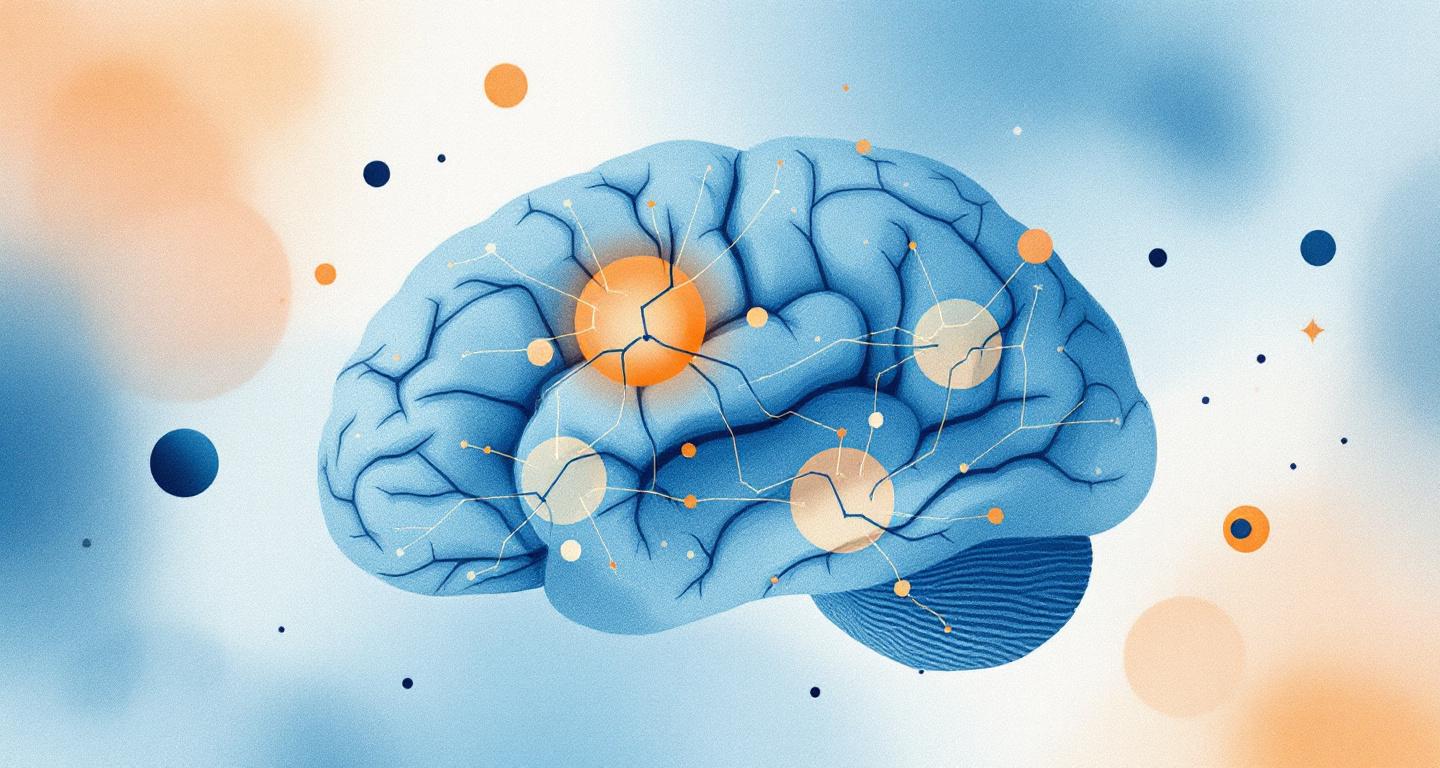
Myth 2: "Addiction Is a Choice, Not a Disease"
False. Addiction is classified as a chronic brain disease by every major medical organization including the American Medical Association (AMA), American Psychiatric Association (APA), and WHO. NIDA documents specific neurological changes in addiction:
\n \n
\nEvidence-based research consistently debunks popular misconceptions about addiction and recovery.
\n- Reduced dopamine receptor density in the reward system, requiring more substance for the same effect
- Impaired prefrontal cortex function reducing impulse control and decision-making
- Altered glutamate signaling creating powerful craving responses to triggers
These changes persist for months to years after substance use stops — explaining why willpower alone rarely produces lasting recovery. Treatment addresses both the brain changes (medication) and the behavioral patterns (therapy).
This doesn't mean addicted people have no responsibility — they do. Recovery requires choices and effort. But initial onset and ongoing vulnerability are biological, not character flaws.
Myth 3: "Detox Equals Treatment"
False — and dangerous. Detox is medical stabilization, not treatment. It manages physical withdrawal but does nothing to address the psychological, behavioral, and social drivers of addiction. Detox alone has relapse rates over 80%.
The correct sequence: medical detox (3-7 days) → treatment program (28-90 days) → aftercare (6-12 months). Each phase has a specific function. Skipping treatment after detox is like getting your stomach pumped for poisoning but never addressing why you were poisoned.
Search for treatment programs that offer integrated detox followed by structured treatment, not standalone detox.
Myth 4: "30 Days of Rehab Is Enough"
False. The 30-day standard came from insurance reimbursement policies in the 1980s, not clinical evidence. NIDA's research-based principles state: "Remaining in treatment for an adequate period of time is critical. The appropriate duration depends on the patient. For most patients, the threshold of significant improvement is reached at about 3 months."
Studies show:
- 30 days: Modest outcomes, high relapse risk in first 90 days
- 60 days: Better outcomes, lower relapse
- 90+ days: Significantly better outcomes, sustainable changes
This doesn't mean everyone needs 90 days of residential treatment. It means total treatment engagement (residential + outpatient + aftercare) should be at least 90 days. Many people benefit from 30 days residential + 60 days IOP + ongoing weekly therapy.
Myth 5: "Medication-Assisted Treatment Is Just Replacing One Drug With Another"
False. This myth specifically attacks buprenorphine and methadone for opioid use disorder. The medical reality:
\n \n
\nGroup therapy is a cornerstone of evidence-based treatment — not the outdated stereotype of dark church basements.
\n- MAT reduces overdose death by approximately 50% (SAMHSA, 2023)
- Patients on MAT have 2-3x higher treatment retention than those without
- Long-term MAT use has minimal cognitive or physical side effects — unlike active opioid addiction which damages multiple organ systems
Buprenorphine and methadone occupy opioid receptors without producing the rapid euphoria of street opioids. They eliminate withdrawal and craving without intoxication. Patients on properly-dosed MAT can work, drive, parent, and function normally — most are indistinguishable from non-addicted people.
The "replacing one drug" framing applies the wrong category. Insulin doesn't "replace" the natural insulin a diabetic can't make — it substitutes for a missing function. MAT does the same for damaged opioid receptor systems.
Myth 6: "Insurance Doesn't Cover Real Treatment"
False. The Mental Health Parity and Addiction Equity Act (2008) requires insurance plans to cover substance use treatment at the same level as physical health treatment. The Affordable Care Act (2010) made substance use treatment one of the 10 essential health benefits that must be covered by Marketplace plans.
Reality:
- Aetna, BCBS, Cigna, UnitedHealthcare, Humana, Kaiser — all cover treatment
- Medicaid covers treatment in all 50 states under the ACA
- Medicare covers detox, inpatient (Part A), and outpatient (Part B) treatment
What insurance may not cover: luxury amenities, alternative therapies (equine, art) without evidence base, executive accommodations. But core medical treatment is covered.
Myth 7: "Rehab Costs $50,000+"
Misleading. The $50K+ figures come from luxury programs marketed to celebrities. Reality:
| Program Type | Cost (without insurance) | Cost (with insurance) |
|---|---|---|
| State-funded outpatient | $0-$500 sliding scale | $0-$500 |
| Standard outpatient/IOP | $1,400-$10,000 | $0-$3,000 |
| Standard residential (30d) | $5,000-$30,000 | $500-$5,000 |
| Premium residential (30d) | $30,000-$80,000+ | $3,000-$15,000 |
Many facilities in our directory accept Medicaid and offer sliding-scale fees. Treatment is usually accessible regardless of financial situation.
Myth 8: "Once You're Addicted, You're Always an Addict"
Partially true, with important nuance. Yes, addiction creates lifelong vulnerability — people in long-term recovery typically describe themselves as "in recovery" rather than "cured." But:
- People with 5+ years of recovery have only 14% lifetime risk of relapse
- Brain function recovers significantly within 1-2 years of abstinence
- Quality of life often exceeds pre-addiction baseline
The "always an addict" framing motivates ongoing vigilance (which is helpful) but can also discourage people from seeking treatment ("why bother if I'll always be sick?"). The medical reality: addiction is a chronic condition that can be managed extremely well, like diabetes or hypertension.
Myth 9: "Family Should Practice 'Tough Love' and Cut Off the Addict"
False. "Tough love" — withdrawing support, refusing contact, letting consequences accumulate — has no research support and often worsens outcomes. Studies show family rejection increases overdose risk by removing a key support system and increasing isolation.
The evidence-based alternative is CRAFT (Community Reinforcement and Family Training): maintain relationship, set clear boundaries, reward sober behavior, refuse to enable but stay engaged. CRAFT gets 67% of unwilling patients into treatment within 6 months — more than double the rate of "tough love" or traditional intervention. Family therapy uses similar evidence-based principles.
Myth 10: "Relapse Means Treatment Failed"
False. NIDA explicitly addresses this: "Relapse rates for drug addiction are similar to those for other chronic diseases such as diabetes, hypertension, and asthma. Treatment of chronic diseases involves changing deeply embedded behaviors, and relapse doesn't mean treatment has failed."
Relapse rates by condition (NIDA):
- Drug addiction: 40-60%
- Type 1 diabetes: 30-50%
- Hypertension: 50-70%
- Asthma: 50-70%
Yet we don't say "diabetes treatment failed" when blood sugar spikes — we adjust the treatment plan. Same applies to addiction. Relapse signals that the current plan needs adjustment: more intensive therapy, MAT addition, residential step-up, treating underlying mental health, addressing housing/employment instability.
Frequently Asked Questions
If I've heard these myths from family/friends, how do I respond?
Share specific data points (cite SAMHSA, NIDA). For deeply held beliefs, lengthy debate rarely works — instead, suggest they speak with a treatment professional or read NIDA's "Principles of Drug Addiction Treatment" (free online). Sometimes a credible third party shifts beliefs that family members can't.
Are any common rehab beliefs actually true?
Yes. True statements: addiction is treatable; longer treatment is better; family involvement helps; aftercare is critical; medication-assisted treatment works; relapse is common but not failure. Most "myths" are oversimplifications of partial truths — the goal is replacing simple-but-wrong beliefs with nuanced-and-accurate understanding.
Why do these myths persist?
Three main reasons: (1) early addiction treatment models from 1930s-1980s contained these beliefs and they entered popular culture; (2) personal experience can be misleading — "tough love" sometimes works for some people, leading observers to generalize; (3) mistrust of medical authority leads people to prefer folk wisdom over evidence.
Where can I find evidence-based information about addiction?
Authoritative sources: SAMHSA (samhsa.gov), NIDA (nida.nih.gov), ASAM (asam.org), and peer-reviewed journals like Journal of Substance Abuse Treatment. Avoid: anonymous blogs, treatment center marketing materials, and unsourced statistics. Our editorial policy describes how we vet sources.
How do these myths affect treatment outcomes?
Each myth creates a specific harm: "rock bottom" delays treatment until severe damage; "30 days is enough" leads to premature discharge; "MAT is just substitution" prevents access to life-saving medication; "tough love" isolates patients from support. Cumulatively, these myths likely contribute to the gap between the 48.7M Americans with SUD and the 11.7M who receive treatment.
What if I personally experienced something that contradicts the evidence?
Personal experience is real but not generalizable. If someone you know got sober through "rock bottom" or "tough love," that doesn't mean those are reliable approaches — it means they worked in that specific case among many other variables. Public health recommendations are based on what works for the largest number of people, not on individual exceptions.
Get Evidence-Based Help
If outdated beliefs have prevented you or a loved one from seeking treatment, the modern reality is more hopeful. Search SAMHSA-verified treatment centers, find programs by state, or call our free 24/7 helpline for guidance based on current evidence — not myths.